Preventive Screening
BCS (Breast Cancer Screening), CCS (Cervical Cancer Screening), COL (Colorectal Cancer Screening) — identify members overdue for age-appropriate cancer screenings.
HDIM evaluates quality measures as patient events arrive, not in overnight batches. Clinical teams see care gaps within seconds and get ranked next-best actions with transparent rationale.
HDIM supports the full spectrum of HEDIS quality measures used in Medicare Advantage Star Ratings, Medicaid managed care, and commercial quality programs.
BCS (Breast Cancer Screening), CCS (Cervical Cancer Screening), COL (Colorectal Cancer Screening) — identify members overdue for age-appropriate cancer screenings.
CDC (Comprehensive Diabetes Care — HbA1c, eye exam, nephropathy), CBP (Controlling Blood Pressure), SPD (Statin Therapy for Diabetes) — monitor ongoing management of chronic conditions.
FUH (Follow-Up After Hospitalization for Mental Illness), FUM (Follow-Up After ED Visit for Mental Illness), ADD (ADHD Medication Follow-Up) — ensure timely behavioral health follow-up.
SPC (Statin Therapy for CVD), PBH (Persistence of Beta-Blocker Treatment), SAA (Adherence to Antipsychotics) — track medication adherence and persistence for high-risk populations.
Each patient event triggers CQL evaluation against all applicable measures for their demographics and conditions. Gaps are surfaced in sub-second time.
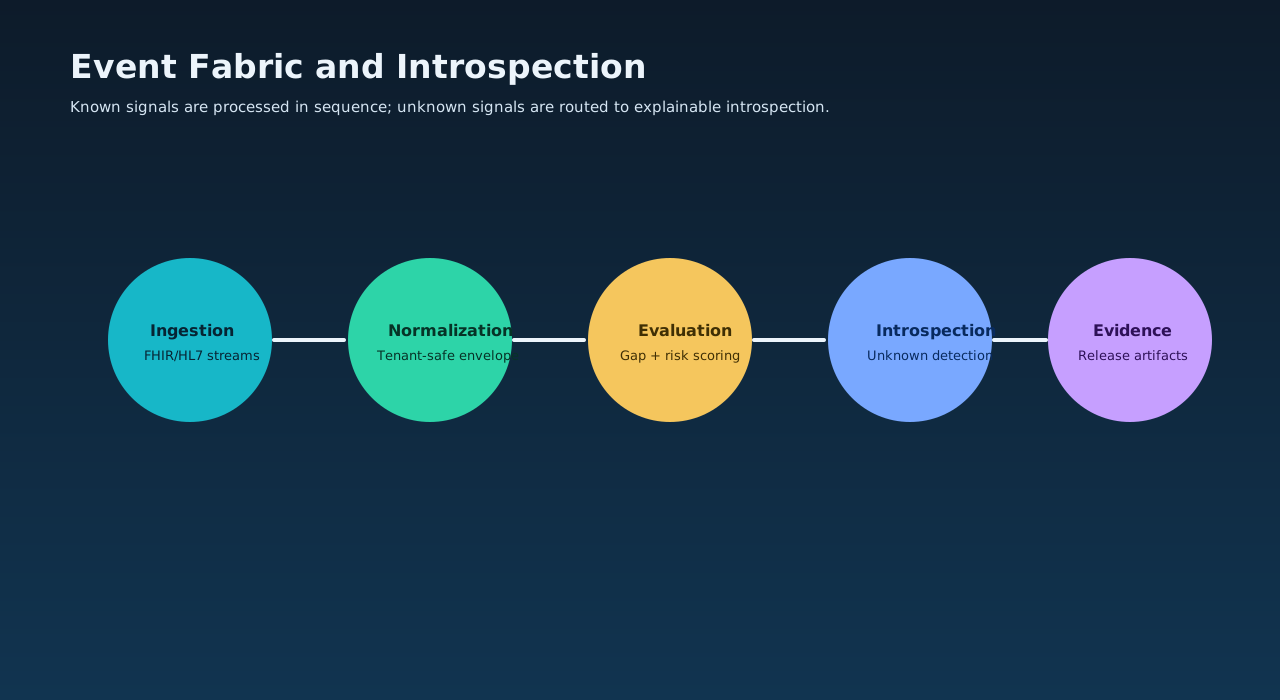
A clinical event (encounter, lab result, prescription) enters the FHIR pipeline via EHR integration, ADT feed, or HIE subscription.
One patient event fans out to N active quality measures. A 65-year-old diabetic patient triggers CDC, BCS, COL, CBP, and SPD evaluations simultaneously.
CQL logic evaluates initial population, denominator, numerator, and exclusions. Unmet numerator criteria become actionable care gaps with clinical context.
Care gaps generate FHIR Task, CarePlan, or Communication resources delivered to care teams with ranked priority and intervention guidance.